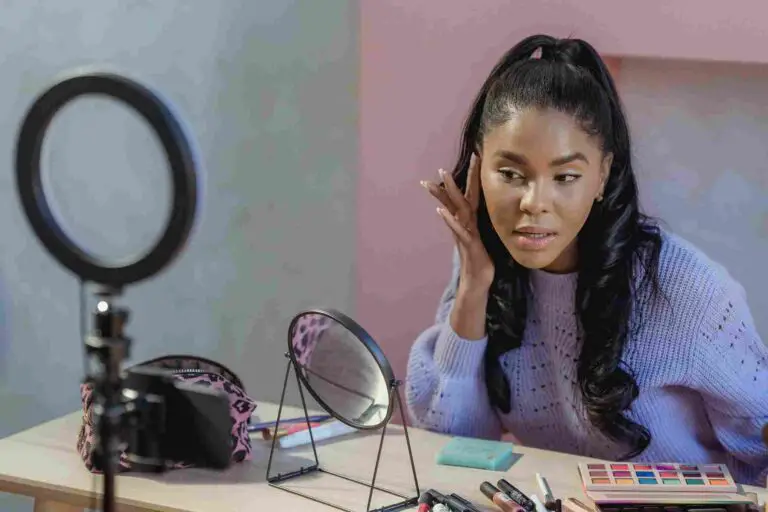

What Makes a Face Truly Photogenic Today
In the digital age, where image-based communication dominates personal and professional platforms, understanding what makes a face photogenic carries both social and psychological relevance. A photogenic face is no longer defined by traditional beauty standards—it is shaped by contrast, expression, posture, angles, and lighting, all underpinned by a sense of self-awareness.
Table of Contents
Strong Facial Contrast Enhances Definition
Photogenic faces often exhibit natural contrast—clearly defined brows, dark lashes, and lips that stand out from the surrounding skin tone. This is not about dramatic makeup but rather enhancing natural features for clarity on camera.
Practical application:
- Use a brow pencil that’s one shade darker than your natural hair colour
- Apply double coats of mascara to deepen the lash line
- Choose a tinted lip shade slightly deeper than your natural lip colour
Photos compress depth, so adding contrast helps restore that dimensionality. Overdone makeup, however, can distract and distort facial balance.
Controlled Expressions Yield Better Results
While smiling is encouraged, excessive or forced expressions often lead to unflattering distortions, such as disappearing lips or the appearance of multiple chins.
Recommended technique:
- Practice an “almost smile” that involves subtle lip movement and a slight squint of the eyes
- This expression, sometimes referred to as a “smize” or “squinch,” creates a look of calm confidence without overexposing facial musculature
This method subtly encourages individuals to become more aware of how facial expressions influence visual interpretation.
Balanced Posture Influences Facial Relaxation
Posture affects how the face appears. Individuals who stand with equal weight on both feet tend to look tense and rigid, affecting their facial expression.
To correct posture:
- Shift weight onto one leg
- Slightly lift the heel of the opposite foot or rest it across the other
- Lean against a surface if available to promote a natural stance
This shift in body weight creates a more relaxed appearance and allows facial features to soften naturally. It is an accessible adjustment that anyone can implement.
Strategic Angles Accentuate Key Features
The distance between a facial feature and the camera determines its visual prominence. Understanding this spatial relationship can help emphasize preferred traits while minimizing others.
To adjust for camera distortion:
- Bring forward the features you want to highlight (e.g., eyes, cheekbones)
- Angle away features you prefer to minimize (e.g., larger forehead, chest)
- Experiment with camera height: raise it to focus on the eyes or lower it to elongate the neck
This principle is particularly useful in professional photography and can assist individuals in curating their own image more intentionally.
Lighting Determines Clarity and Dimension
Lighting plays a critical role in how the face is perceived. Poor lighting can flatten features, exaggerate blemishes, or distort skin tone.
Ideal lighting conditions:
- Use soft, natural light from the front or side
- Avoid harsh overhead light that casts uneven shadows
- Filter direct light through a sheer surface for a smoother, more flattering effect
Good lighting does more than illuminate—it shapes and defines. It is the unseen element that adds depth to two-dimensional images.
Facial Structure and the Role of Subtle Refinements
Underlying bone structure and facial proportions play a foundational role in how features are captured by the camera. While lighting, posture, and expression can enhance what’s already there, some individuals may seek lasting solutions to address asymmetries or features that don’t align with their personal aesthetic goals.
Modern facial procedures, when performed with a refined and conservative approach, can offer balanced improvements that maintain authenticity. For example, subtle adjustments to the nose—such as refining the bridge or tip—can significantly affect how light falls on the face and how shadows are cast in photographs. These refinements aren’t about changing identity but enhancing harmony among facial features, particularly in profile or close-up shots.
Clinics with a deep understanding of both medical precision and aesthetic nuance, such as Sedgh Plastic Surgery Clinic, specialise in procedures tailored to facial balance. With a focus on individualised outcomes, they offer patients the option to explore enhancements that align with their natural features and photographic presence.
This intersection of science, aesthetics, and self-perception opens up an important conversation: how much of being photogenic is about embracing who we are—and how much lies in refining how we present that identity to the world?
Confidence Shapes Perception
The psychological dimension of being photogenic is often overlooked. Confidence impacts posture, expression, and overall composure in front of the lens.
Ways to project confidence:
- Maintain a neutral expression with soft eye engagement
- Avoid excessive posing—stillness often conveys more presence
- Think of a positive emotion or memory to naturally influence facial tension
Confidence is not only perceived—it is felt. Social research supports that individuals who appear relaxed and present in photos are often rated as more trustworthy and approachable.
Emphasizing Natural Features Supports Authenticity
Photogenic appeal is closely linked with authenticity. Over-styling can detract from facial identity, whereas minimal enhancements support facial clarity.
Enhancement guidelines:
- Keep skin texture visible—avoid heavy foundation
- Let hair frame the face to add depth and movement
- Choose clothing in tones that complement your skin, not overshadow it
This subtle approach supports visual integrity and promotes a balanced, authentic representation of the individual.
A photogenic face is not about perfection—it is about clarity, awareness, and presence. In an era where visual storytelling plays a pivotal role in how we are perceived and remembered, learning to understand how to appear more naturally on camera is a valuable and socially relevant skill. By adjusting posture, managing light, expressing with intention, and showing up with confidence, we do more than capture an image—we shape how that image communicates who we are.
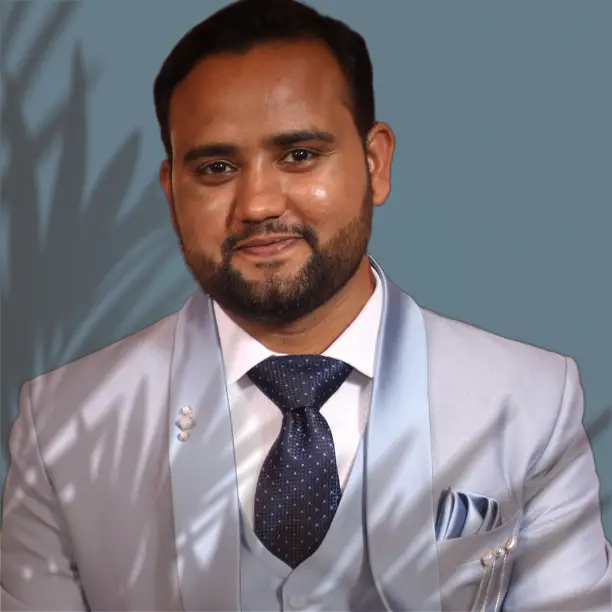
Meet Biju Debnath, the founder and editor of Swag Captions. He started the blog in 2019 and continues to manage it to this day. With over 5 years of experience writing social media captions, he has been successful in making this blog the largest free Instagram Caption provider site in the industry.